

The leaf, the light, the stillness between them
There is a Danish word—hygge (pronounced hoo-gah). Difficult to translate, but easy to feel. It whispers like a warm mug between cold hands. More than coziness, it’s the soft glow of candlelight and the feeling of wool socks on wood floors. Hygge is not loud. It gathers, slowly, like steam on a windowpane. Hygge is the joy of slow mornings and long conversations over tea. It’s a way of being, a quiet embrace of life’s gentle pleasures.
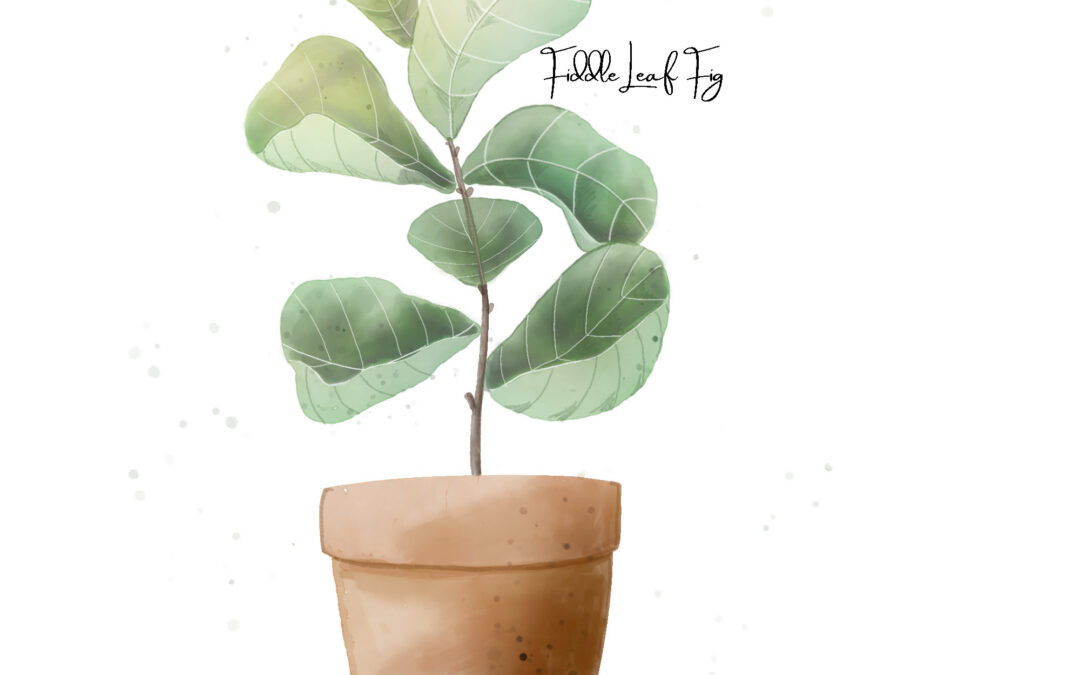
And plants, it turns out, know hygge well. Plants are, by nature, hygge. They don’t demand attention. They don’t fill space with noise. Instead, they soften the edges of a room, breathe life into forgotten corners, and ground us in the present. A fiddle-leaf fig stretching toward a sunlit window. A shelf of succulents catching morning light. A simple pothos
trailing from a kitchen cupboard. They do not rush. They simply are—stretching toward morning light on the windowsill, curling gently in corners.
Though often associated with winter, hygge is not just about cold weather—it’s a way of being. It’s in the way we notice light shifting on a wall, the way we hold a warm cup, the way we make space for stillness, for softness, for each other. The early sunsets become permission to light candles before dinner. The chill in the air makes wool socks and warm drinks feel sacred. Snowfall hushes the world, and in that hush, hygge finds its voice. Where other seasons pull us outward—into plans, movement, noise—winter draws us inward: to home, to the company of just a few. Hygge thrives here, in the glow of a lamp, the steam of a cup, and the flicker of flame.
So while the trees outside bare their branches, inside, life continues—small, warm, and intentional. A plant on the windowsill. Soup simmering on the stove. A book left open beside a throw. Winter doesn’t ask us to do more. It invites us to do less, more meaningfully. That, at its core, is hygge.
So place a sprig of rosemary on the table. Let ivy climb your bookshelf. And watch how your home begins to breathe.